
Learn about Equitable School Revolving Fund including our News & Press Releases and Program Administration Team Senior Staff.
Talk to us
Have questions? Reach out to us directly.
Learn about Equitable School Revolving Fund including our News & Press Releases and Program Administration Team Senior Staff.
About Equitable School Revolving Fund
- Pledged Loans (Expected)
- $1.856 Billion
- Default Tolerance Rate
- 35.7%
- Debt Service Coverage Ratio (Projected)
- >1.2x
Equitable School Revolving Fund is a nonprofit social impact fund created to provide long-term, low-cost facility loans that allow high-performing charter schools to maximize the resources they dedicate to students.
High-performing charter schools promote bright futures for children across America. ESRF believes these schools should borrow under terms comparable to traditional public school districts.
ESRF is an “A+” rated pooled fund that offers high-credit, long-term, scalable bond investment opportunities.
Image Gallery
News
The Equitable School Revolving Fund (ESRF), a major charter school lender with a zero-default record on nearly $2 billion in loans, has two bond sales planned for 2026. The fund has maintained its strong credit profile even as the industry has experienced headwinds from declining enrollment and federal policies, said Chief Executive Officer and founder Anand Kesavan, adding that its model shelters its investments.
“We are bespoke school investors,” Kesavan said. “We are investing in ‘that’ school or in ‘that’ district, with those schools”.
Equitable’s bonds carry an A rating with a positive outlook from S&P Global Ratings. In February, Siebert Williams Shank & Co, the lead manager, will price up to $350 million through conduit issuer Arizona Industrial Development Authority. The sale will replenish the revolving fund used to provide loans to charter schools. Then in August, it plans to price a multi-issuer transaction of $250 million. The conduit issuer for that transaction has not been decided, Kesavan said.
The fund has priced several transactions through AZIDA, but also through California Infrastructure and Economic Development Bank and Massachusetts Development Finance Agency. Equitable Facilities Fund has provided funding to the Coral Academy of Science Las Vegas, a Nevada charter school. It also partnered with the state of Nevada and a non-profit to fund charter schools there in 2023.
This month, S&P assigned a stable outlook for the charter school sector in 2026, though the report highlights key financial and demographic pressure points that are increasing credit risk, particularly for smaller and lower-rated schools, said Jessica Wood, an S&P managing director and education sector lead. S&P noted that schools at the lower end of the ratings distribution are most likely to rely on their reserves to fill budgetary gaps and could experience ratings pressure.
ESRF’s focus on high-quality underwriting and active portfolio management has allowed it to avoid defaults, Kesavan said, even while schools in the broader market have faced more pressure and challenges. S&P’s stable sector outlook is based on its rated portfolio; 84% of its rated schools have a stable outlook. S&P rates about 360 charter school networks, equating to roughly 1,500 schools—a good portion of the over 8,000 charter schools nationally, Wood said.
While charter schools serve students in 45 states, Guam, Puerto Rico and Washington D.C., charter school bonds have only been issued for schools in 34 states and the District of Columbia, Wood said. S&P rates charter schools in 27 states and the district.
Charter schools receive government funding—typically the same per-pupil funding as traditional public schools—but don’t receive property taxes, are more reliant on private donations and operate independently. Despite having twice as many downgrades (26) as upgrades (14) in the rated universe—a typical trend for this sector—S&P’s stable view is strongly supported by the continued solid fiscal health of the state governments that contribute funding, most of which aren’t currently anticipating cuts to K-12 or charter school budgets, Wood said.
However, Wood said, the outlook is not without “pockets of pressure”. Covenant violations have risen across the sector, primarily driven by the expiration of federal emergency funding post-COVID-19, inflationary expenses, increased expenses for personnel like mental health advisors added during the pandemic and slowing increases in funding from year-to-year, she said.
None of the charter bonds S&P rates has had a payment default, she said. “There has been a lot more pressure on charters in the unrated space—a lot more defaults and challenges,” Wood said. “There is a reason those bond issuances are unrated. They may be smaller, single-site schools, or where enrollment is not as high,” she said. “We didn’t have any schools in our rated universe default this year, but we did have some covenant violations,” she said.
ESRF has issued roughly $1.5 billion in bonds across six to seven issuances to support nearly $2 billion in loans, with the remaining capital coming from philanthropy, Kesavan said. Established in 2017, the Equitable Facilities Fund is a 501©(3) non-profit corporation created to make low-interest loans to public charter schools across the country. The Equitable Facilities Fund is the only member of the Equitable School Revolving Fund.
As part of its portfolio management, the fund offers best-practices training and seminars to schools and early intervention to manage issues if schools show signs of covenant violation, Kesavan said. The fund has experienced no payment defaults or loan losses on its entire loan portfolio, a feat Kesavan attributed to its “active monitoring” and high-quality underwriting, which includes a year-long, bespoke diligence process for each school. This disciplined approach and their status as a non-profit lender have enabled it to save their partner schools over $300 million in interest costs, Kesavan said.
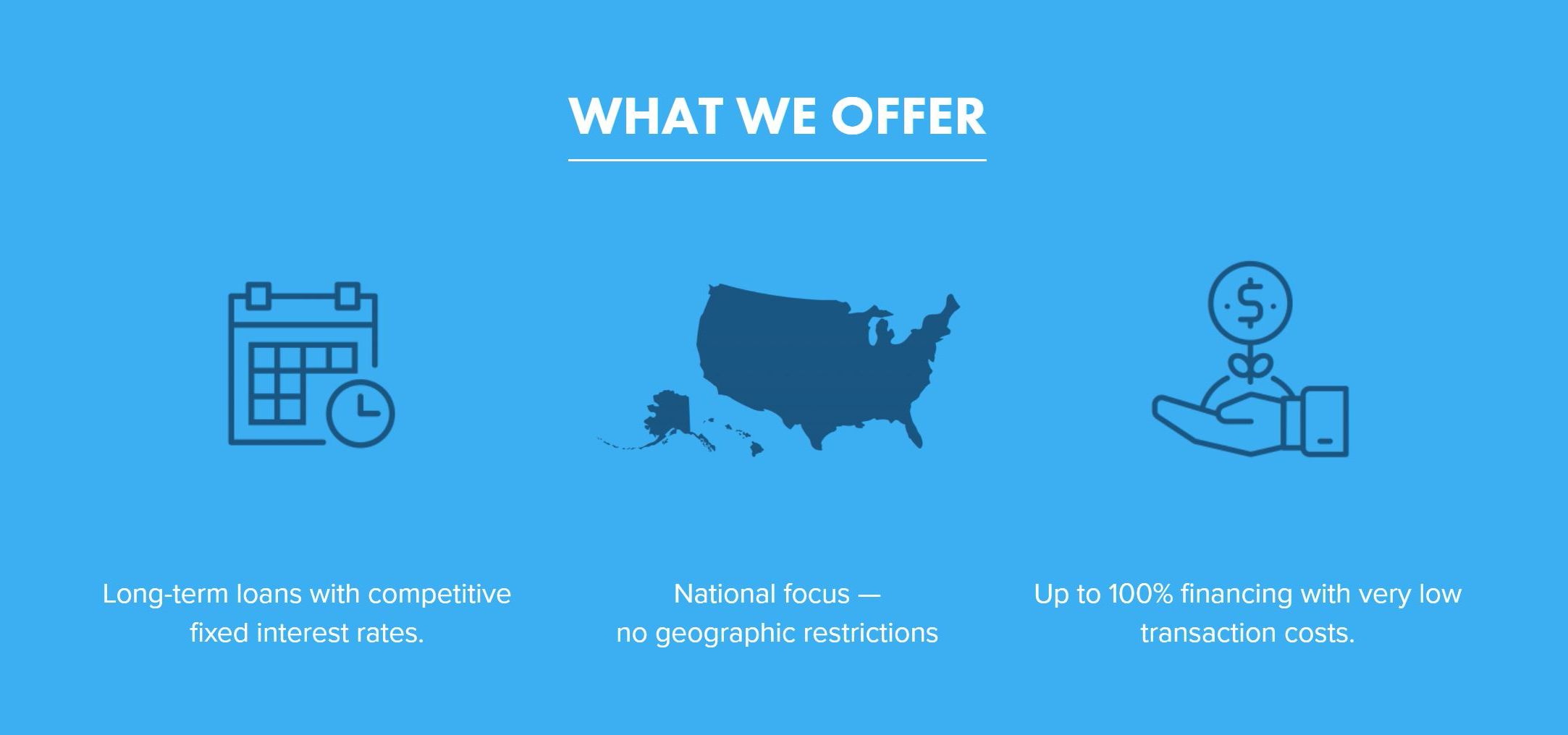
The fund’s focus is on high-performing charter schools, primarily in California and Texas, but it has provided loans totaling $1.8 billion for 130,000 students across 24 states and in Washington D.C. ESRF saves its partner schools money by providing below-market loan rates compared to what individual, lower-rated schools might pay on the open market, said David Stinfil, a managing director at Siebert Williams Shank.
The covenants set for loan participants are as strict as those found in single-school borrowings, Stinfil said, but they don’t have to establish a reserve fund, which they might have to take out a loan for. ESRF is also able to sell debt at lower rates because investors respect the fund’s due diligence, he said. “If a single school goes to market, the investor would need to research how this asset will perform over 30 years; instead ESRF does the research and saves investors the time that would take,” Stinfil said.
“That is the whole thesis for the fund,” said Eugene Clark-Herrera, a partner with Orrick, Herrington & Sutcliffe and the fund’s bond counsel. “As the quality of the pool rises, the pool can borrow at lower rates and be able to pass through savings”.
The organization recently elevated long-tenured leaders Wendy Berry and Marc Wancer to partner. ESRF has expanded to a team of 35 employees from just a handful of people, which included Berry and Wancer at the outset, and continues its mission to make the market more efficient for charter investors, Kesavan said. Berry’s work includes underwriting over $500 million in loans, including some of the fund’s most complex structures, and helping to build the monitoring systems that underpin ESRF’s portfolio discipline. Wancer has helped guide the organization from an early-stage concept to a national platform with more than 100 outstanding loans. He is also responsible for sourcing loans and building ESRF’s pipeline, working directly with partner schools as they move through the credit and underwriting process.
A functioning, comfortable building is essential for students to thrive. But at the Beatrice Mayes Institute charter school in Houston, the building was falling apart, and didn’t even have air conditioning to cool their students—a must in a muggy city.
In pursuit of desperately needed repairs to the building, they partnered with the Equitable Facilities Fund (EFF), a nonprofit social impact fund dedicated to supporting high-performing public charter schools across the United States.
“EFF enabled Beatrice Mayes to build a proper facility, a transformation that moved teachers who had devoted decades to the school to tears. This isn’t just about construction but about fairness and opportunity,” said founder and CEO of EFF Anand Kesavan in a recent conversation with Philanthropy Roundtable. “Philanthropists have the chance to turn their contributions into lasting, structural change—creating a future where facilities are no longer a bottleneck to opportunity.”
EFF is innovating charter school infrastructure support by providing public charter schools like Beatrice Mayes with low-cost, long-term financing options to help them establish sustainable facilities. This financial support allows schools to redirect funds typically spent on loan repayments back into educational resources, thereby enhancing teaching and learning outcomes_._
The following interview has been edited for length and clarity.
Q: As we approach 2025, what is your perspective on the current state of the public charter school sector? What key challenges and opportunities should donors keep in mind when considering their support for charter schools?
Kesavan: Charter schools succeed when they balance autonomy with accountability. Over the past 30 years, this combination has proven effective, but there is room for growth. Schools need real independence to innovate while ensuring robust accountability to measure and ensure success. This includes identifying exemplary schools, supporting them and providing access to resources like facilities and equitable funding.
But challenges remain. We need to attract more passionate entrepreneurs to lead these schools and address systemic barriers like unfair funding and politicized environments. A top-down approach is necessary, creating comprehensive systems that support talent, infrastructure and accountability across the board.
Parental choice continues to drive demand, as parents trust these schools for safety, personalized attention and results—evident in the steadier enrollment growth in charter schools compared to traditional districts during the pandemic. Looking ahead, the focus should shift from just growing the sector to determining which schools are excelling and channeling resources toward them. Building an equitable, supportive system will ensure long-term success, benefiting children, empowering parents and sustaining quality education.
Q: Facilities financing often flies under the radar in education philanthropy. Why are facilities loans so critical to the success of charter schools? Can you share specific examples of how these loans have allowed schools to redirect resources toward improving student outcomes?
Kesavan: The biggest challenge to scaling from 7,000 charter schools to 15,000—or more—is a lack of affordable access to buildings. Starting or expanding a school is nearly impossible without facilities, as securing $20 to $30 million for a building is out of reach for most entrepreneurs. Philanthropists often address symptoms by funding programs or short-term needs. But the root issue—access to financing for facilities—is left unresolved.
Here’s the opportunity: create a sustainable solution by building a financial system similar to what Fannie Mae does for mortgages, only for schools. This model leverages private funds to create large-scale, low-interest loan systems, enabling schools to invest in long-term assets like buildings. By focusing on three core principles—scale, save and sustain—funds can be multiplied, borrowing costs reduced and investments recycled into perpetuity.
The impact is profound. Investing in this model could unlock exponential growth for charter schools, help meet demand (millions of students are currently on waitlists) and ensure entrepreneurs are competing on a level playing field. Instead of “throwing the ball against the wind,” we need to remove these systemic barriers and empower schools to flourish.
It’s not glamorous, but solving this foundational issue is what will truly transform education at scale.
Q: What are the latest developments or strategic priorities at the Equitable Facilities Fund? Are there any new initiatives or milestones you believe would resonate with philanthropists?
Kesavan: Over the past eight years, we’ve grown from testing the feasibility of our model to achieving remarkable success. This year, we’ve proven that we can provide charter schools with loans at rates equitable to those of nearby districts, fulfilling our mission for true financial equity in education. With a 0% default rate on $1.5 billion loaned and leveraging donor funds at six times (and aiming for 10 times), we’ve created unmatched impact.
Additionally, we’re forging new partnerships with major donors and philanthropists to expand our reach. These collaborations will enable us not only to lend directly to schools but also to empower other funds to do the same, revolutionizing the sector as a whole. Our model works, it scales to billions and it’s now positioned to transform education funding nationwide.
Q: Could you share any recent success stories of charter schools that have leveraged EFF’s funding to expand access to high-quality education, particularly in underserved communities?
Kesavan: Two poignant examples highlight the power of equitable support for education. First, the Beatrice Mayes Institute in Houston—a community-rooted charter school operating in a dilapidated building without air conditioning—thrived despite its challenges, thanks to its dedicated teachers. Recognizing the inequity of great schools lacking adequate facilities, while others with lower performance occupy pristine buildings, we provided a subsidized loan significantly below market rates. This enabled Beatrice Mayes to build a proper facility, a transformation that moved teachers who had devoted decades to the school to tears. This isn’t just about construction but about fairness and opportunity.
Another success story is Zeta Charter School in New York, one of the country’s top-performing schools. We offered them low-cost financing, saving them substantial funds compared to costly real estate developers. This allowed Zeta to focus on what matters—education—while scaling from 500 students to 10,000, demonstrating how facility funds can empower ambitious educators to create lasting change.
These stories underscore how investing in equitable facilities funding reshapes education, empowers entrepreneurs and influences policymakers. With major national funders committing $150 million to scale these models, this concept is proving not only impactful but replicable globally for underserved communities. It’s a model philanthropy that sustains, scales and changes generations.
Q: Looking ahead, what trends should donors pay attention to in the charter school sector? Are there specific shifts in infrastructure needs, enrollment patterns or public policies that could affect their giving strategies?
Kesavan: Charter schools must adapt to three critical trends to thrive in a rapidly changing educational landscape. First, facilities must evolve to integrate private funding as a tool for accountability. By leveraging donor-funded banks, effective schools can be incentivized to improve continuously, aligning philanthropic goals with student outcomes.
Second, enrollment trends are shifting. No longer can we assume that opening a building will guarantee enrollment. With people moving to new regions or away from urban centers, it’s crucial for charter schools and donors to strategically establish schools in areas with long-term demand. Flexibility to follow where the students are is a competitive advantage charter schools have, and it should be embraced.
Lastly, while policy advocacy is not our primary focus, it’s vital to approach discussions with transparency and data rather than divisive rhetoric. This means avoiding charter versus district politics and focusing on supporting good schools—whether they are charter-run or district-operated. Unified cooperation and clearer accountability metrics across organizations can amplify the positive impact of school choice.
By working together, integrating innovative funding strategies and staying responsive to trends, we can ensure that all schools remain focused on serving students and creating meaningful change.
In just six years, the charter school impact fund is now borrowing at rates on par with school districts, bringing equity within reach for all high-quality K-12 schools.
Program Administration Team Senior Staff
The ESRF Bond Program is administrated by Equitable Facilities Fund
Michelle Getz

Wendy Berry
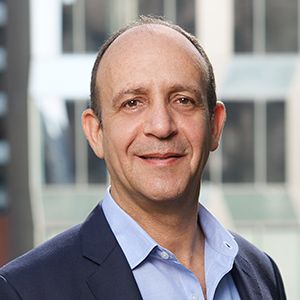
Marc Wancer
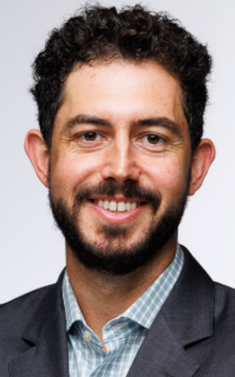
Cory Vastola
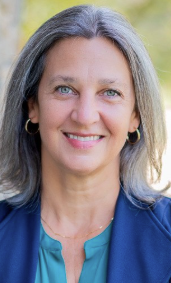
Alison Fansler

Jon McIntosh
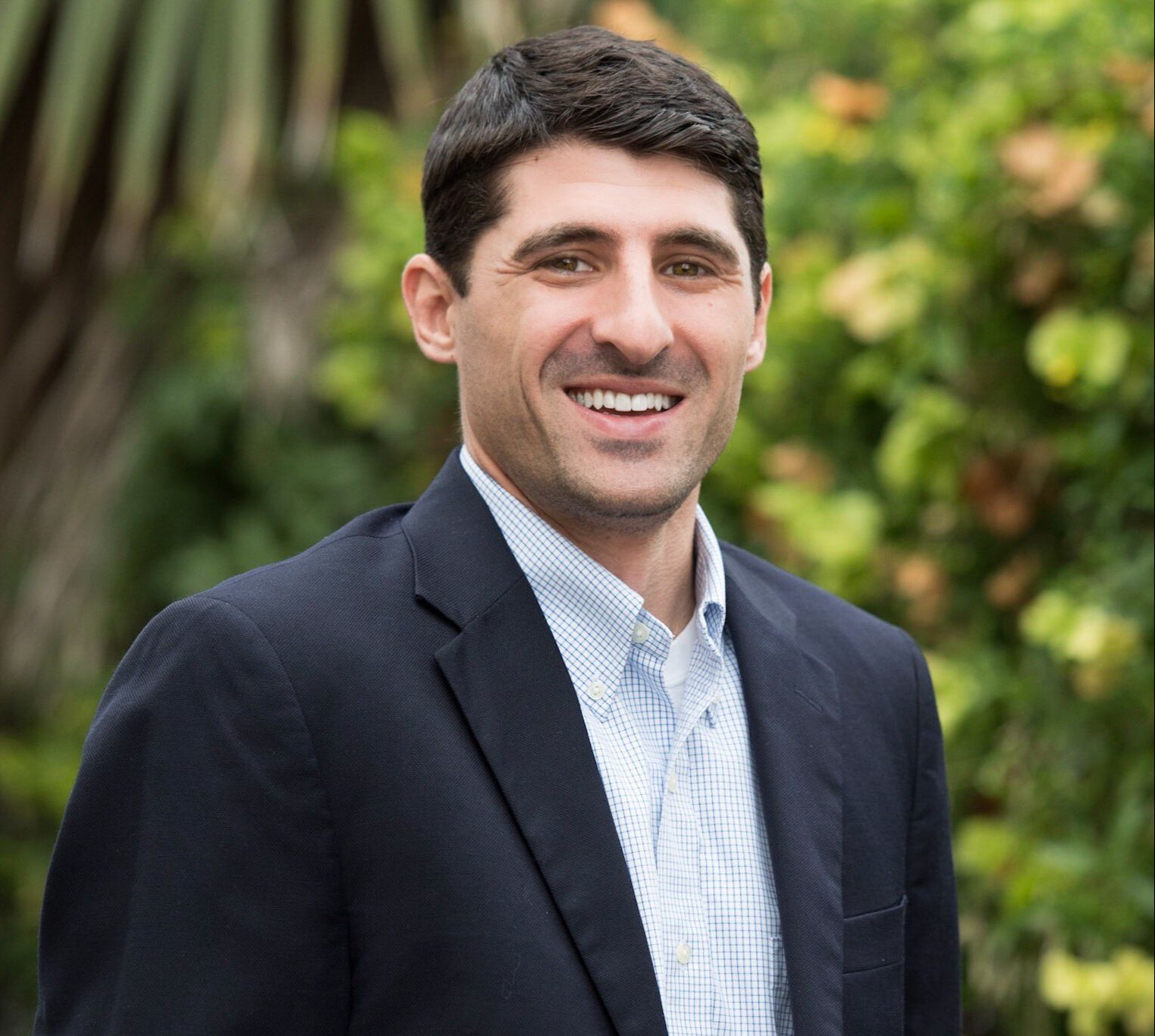
Shawn McCormack
Talk to us
Have questions? Reach out to us directly.